
Postdoc Students
PhD Students
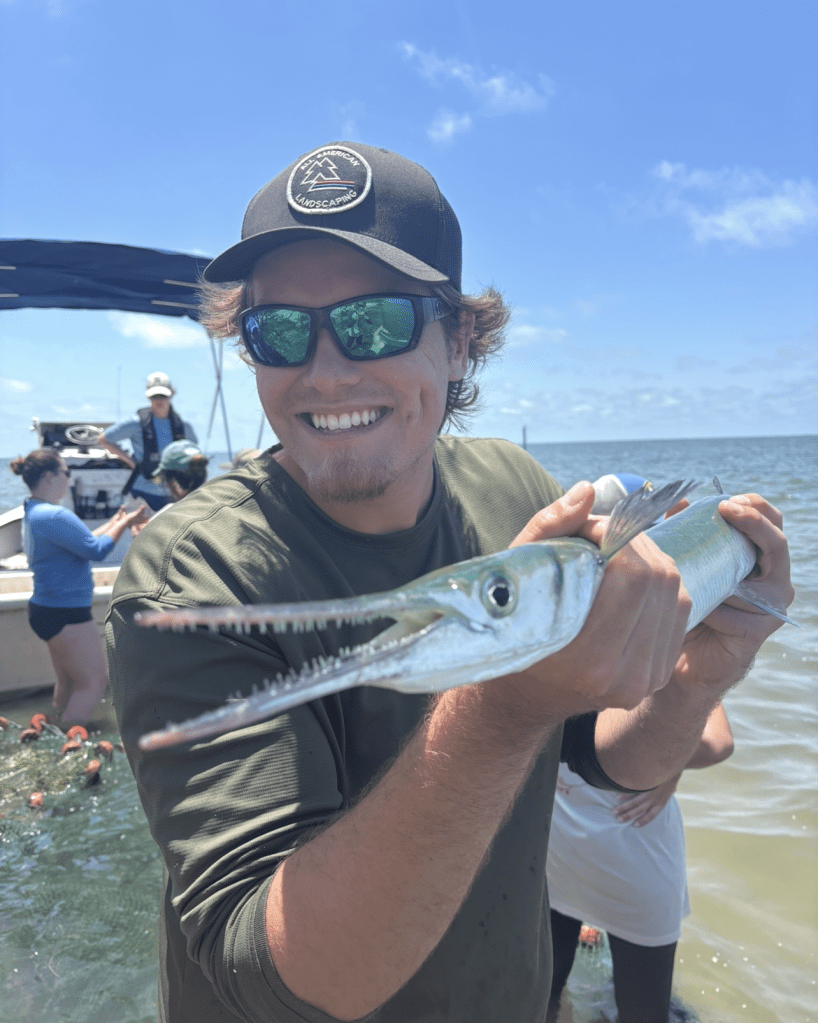
S. Carter Oleckna
School of Forest, Fisheries, and Geomatics Sciences at the University of Florida
With a background in water quality and pond restoration, Carter’s current research investigates the chemical defenses of Thalassia testudinum (turtle grass), with a focus on how these defenses respond to environmental stressors. He aims to understand and manipulate these chemical defenses to enhance the effectiveness of seagrass restoration efforts.
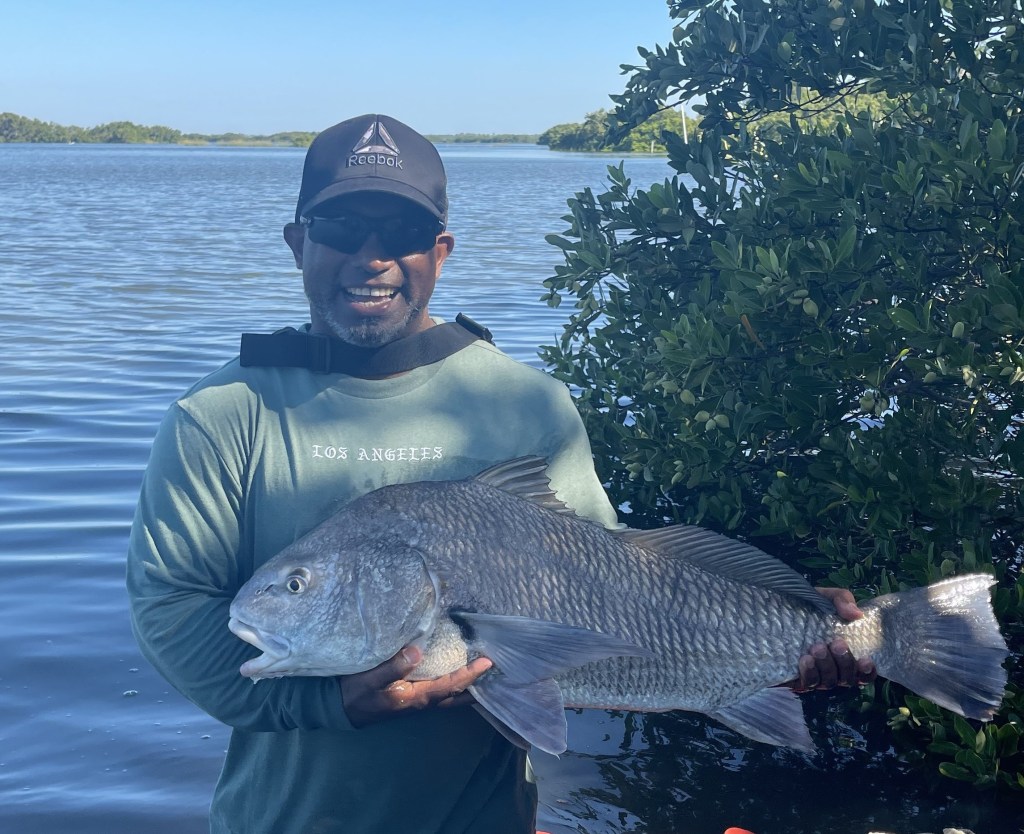
Diogenes Castillo Berroa
Fulbright–MESCyT scholar and Ph.D. student in the Interdisciplinary Ecology Program (Fisheries and Aquatic Sciences concentration) at the University of Florida
Diogenes’ research focuses on understanding the genetic diversity and connectivity of key freshwater fish species in the Dominican Republic, including Biájaca (Nandopsis haitiensis), Tilapia (Oreochromis spp.), and Catfish (Clarias gariepinus). By combining molecular genetics, spatial ecology, and fisheries management, Diogenes seeks to support biodiversity conservation, control invasive species, and promote sustainable aquaculture practices in Caribbean freshwater systems. He earned his M.S. in Aquaculture from the National Taiwan Ocean University (NTOU), where he studied the use of natural plant extracts to enhance shrimp growth and environmental performance, and holds a professional degree as an Engineer in Animal Production from the Department of Animal Science at Universidad ISA in Santiago, Dominican Republic.
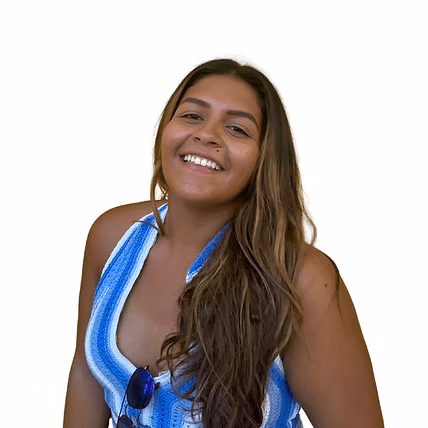
Melanie Gomez
School of Forest, Fisheries, and Geomatics Sciences at the University of Florida
Melanie Gomez began working with Dr. Lamb in 2023 as an undergraduate volunteer. Under his mentorship, she completed and published her undergraduate honors thesis, which examined how wave exposure modifies both top-down and bottom-up controls on benthic community structure in the Galápagos Islands. Melanie graduated from the University of Florida in 2025 with a B.S. in Marine Science and a minor in Statistics.
As of 2026, Melanie is a Ph.D. student at the University of Florida specializing in Quantitative Fisheries. She is co-advised by Dr. Zachary Siders and Dr. Robert Lamb and is funded through a NOAA Restore grant to conduct her dissertation research. Her work focuses on temperature-linked shifts in fish distributions along Florida’s Gulf Coast.
Master’s Students
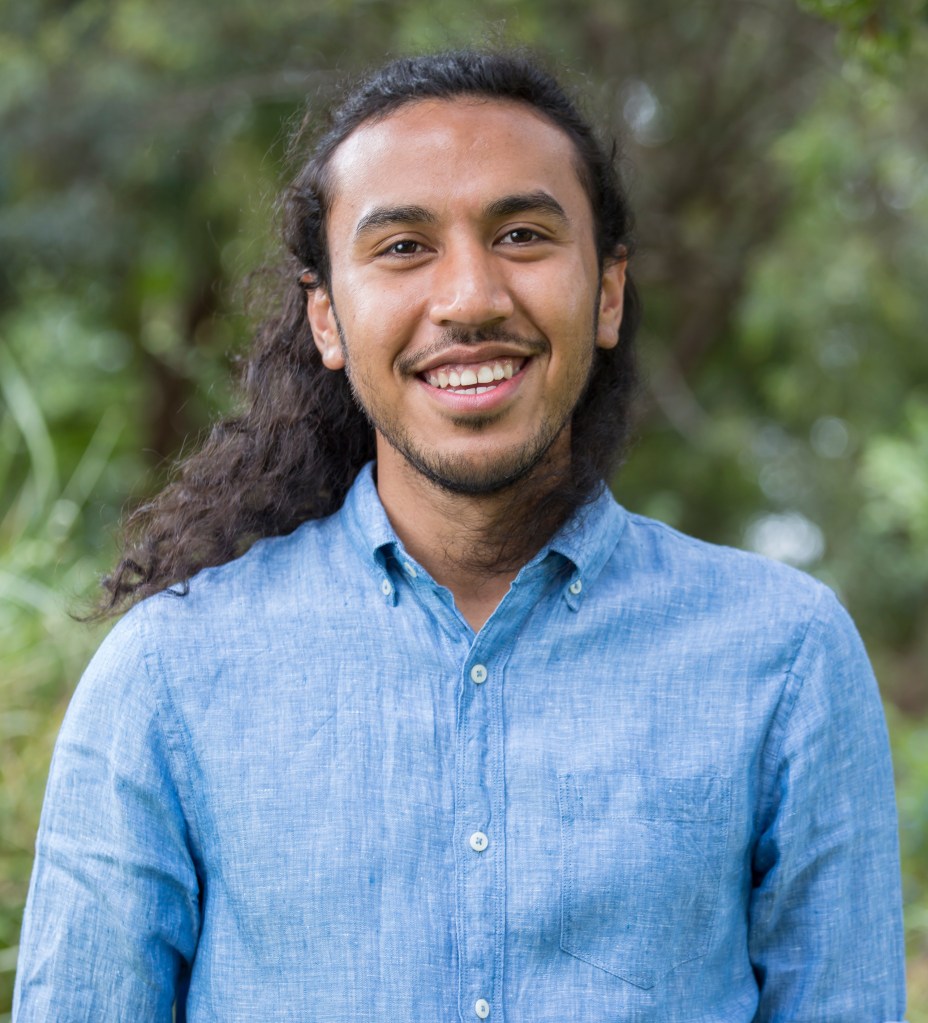
Carlos Joaquim Alves Almeida
School of Forest, Fisheries, and Geomatics Sciences at the University of Florida
Carlos’ research focuses on how climate-driven shifts in coastal vegetation, such as the poleward expansion of mangroves, affect blue crab (Callinectes sapidus) recruitment within an ecotone where salt marsh and mangrove habitats converge in Cedar Key, Florida. He aims to understand how these transitional zones influence early life-stage habitat use by deploying passive larval collectors across different habitat types, conducting chemotaxis experiments to examine early juvenile crab responses to vegetation-based chemical cues, and using stable isotope analysis to trace their nutrient assimilation.
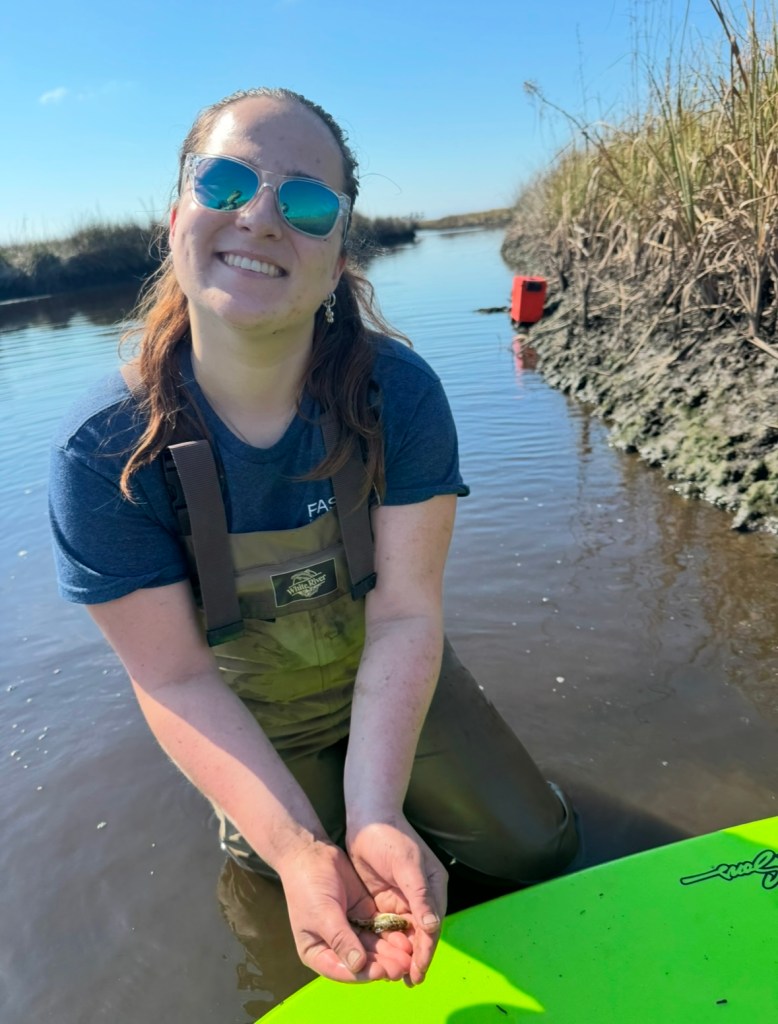
Katherine Henning
Fisheries and Aquatic Sciences program at the University of Florida’s Nature Coast Biological Station
Katherine Henning is a graduate research assistant in the Fisheries and Aquatic Sciences program at the University of Florida’s Nature Coast Biological Station. She earned her B.S. in Environmental Science from Florida State University in 2024, where her undergraduate research focused on using meiofauna communities as indicators of ecosystem health. Her current work investigates the ecological impacts of tropicalization on fish communities along Florida’s Nature Coast, with a focus on how warming waters are driving shifts in species distributions and altering community dynamics. Katherine integrates field sampling, diet analysis, and GIS-based approaches to examine the role of thermal refugia in supporting fish productivity and community resilience in a changing climate.

