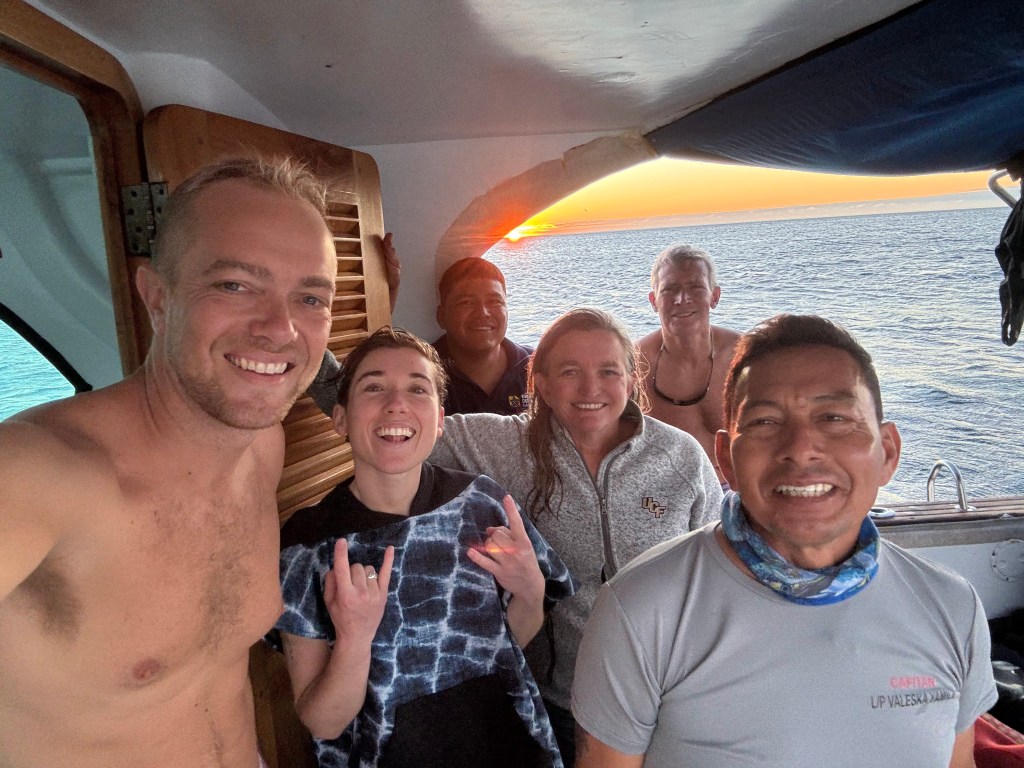
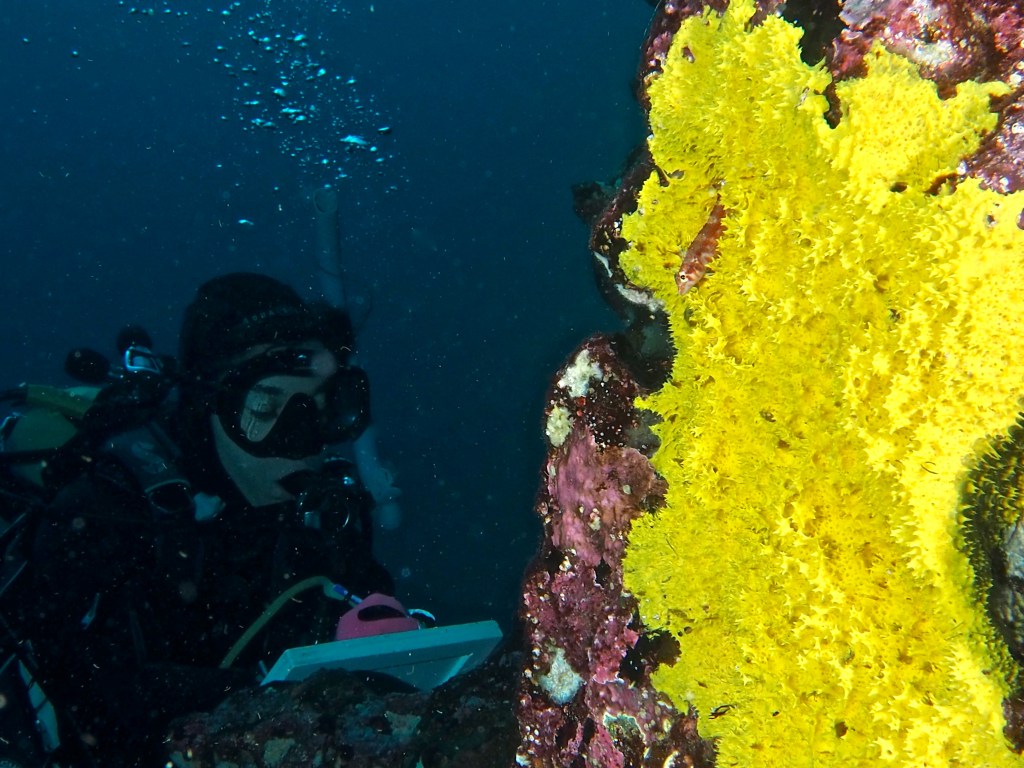
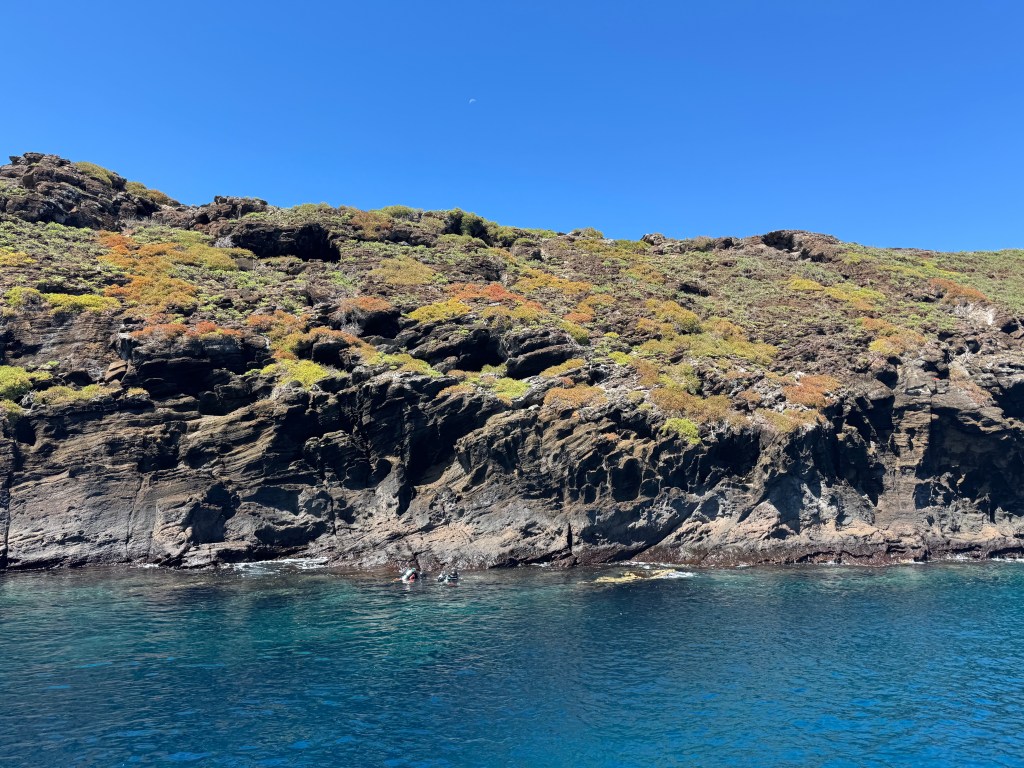
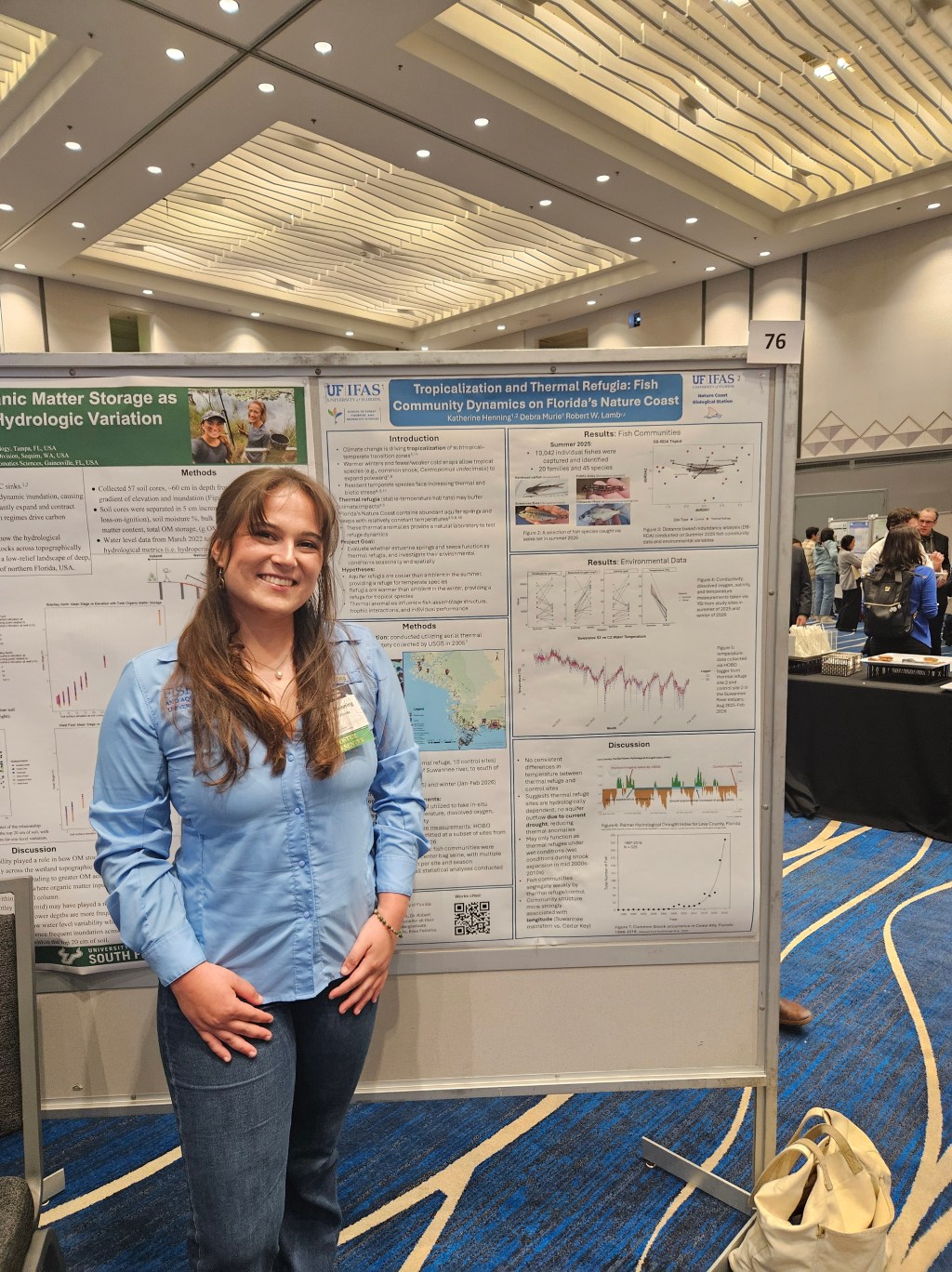
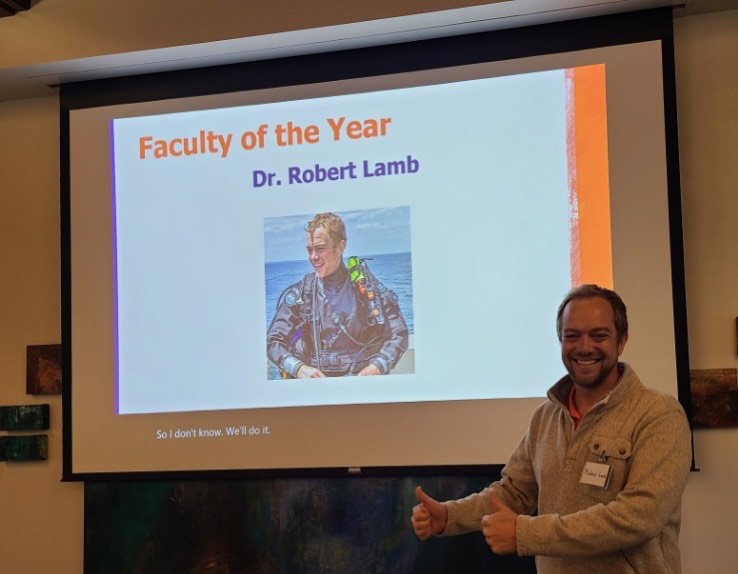
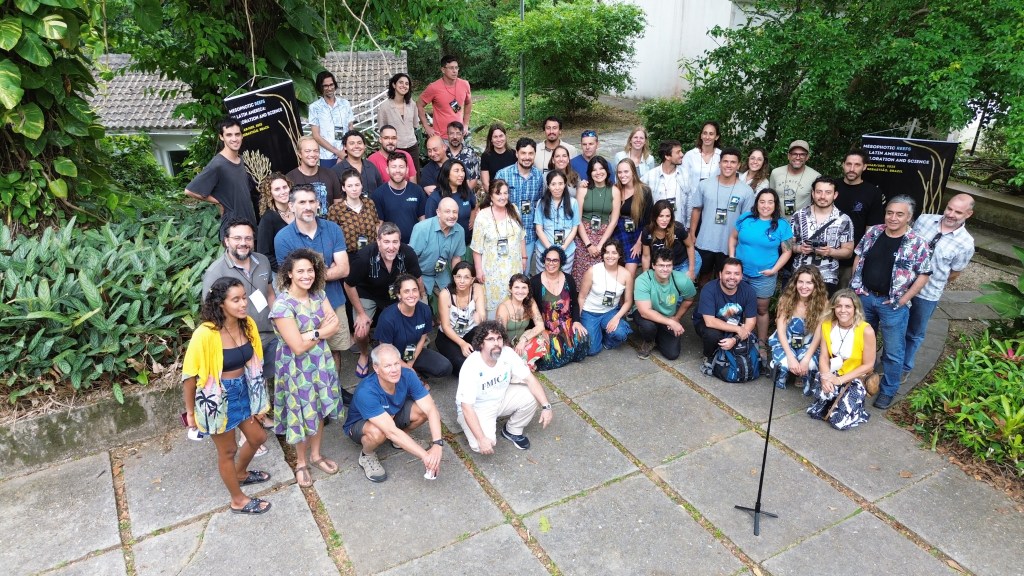
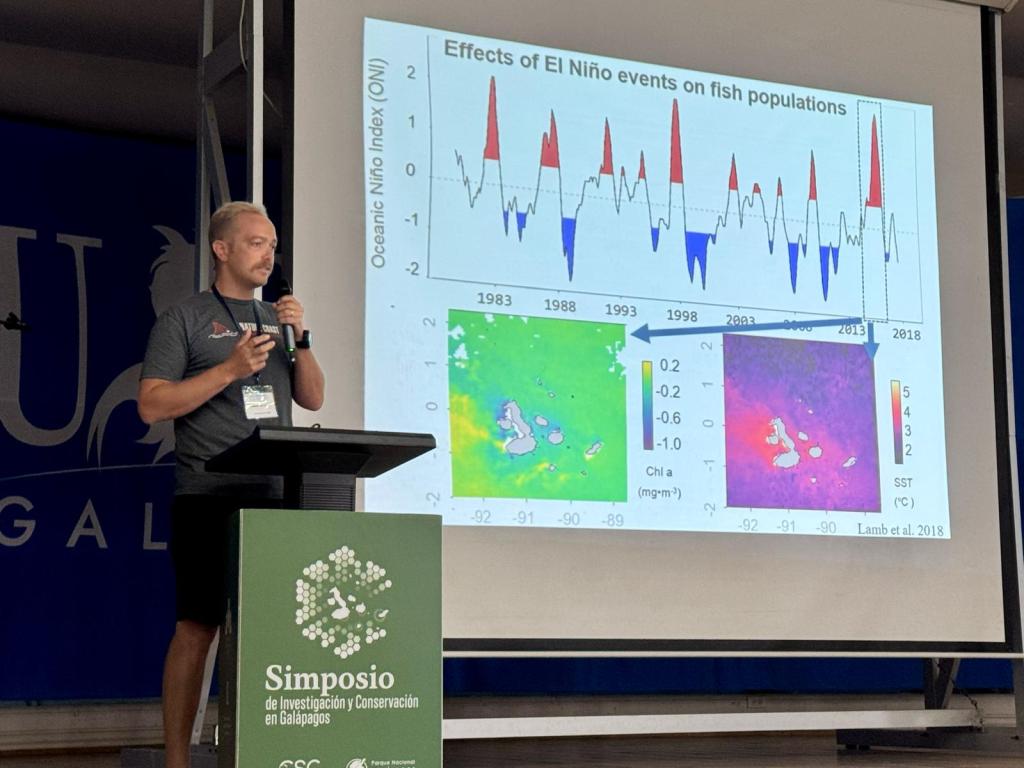
Lamb Marine Lab research in the Galápagos Islands primarily focuses on the impact of climate change and extreme weather events (like El Niño) on marine ecosystems, particularly reef fish populations and coral communities. Work involves extensive field research, long-term monitoring, and collaborations with the Galápagos National Park and the Charles Darwin Foundation to inform conservation and management decisions.
- El Niño Impacts: Dr. Lamb investigates how marine heat waves caused by El Niño Southern Oscillation (ENSO) events lead to widespread changes in the marine environment, including warmer water temperatures and reduced nutrient upwelling.
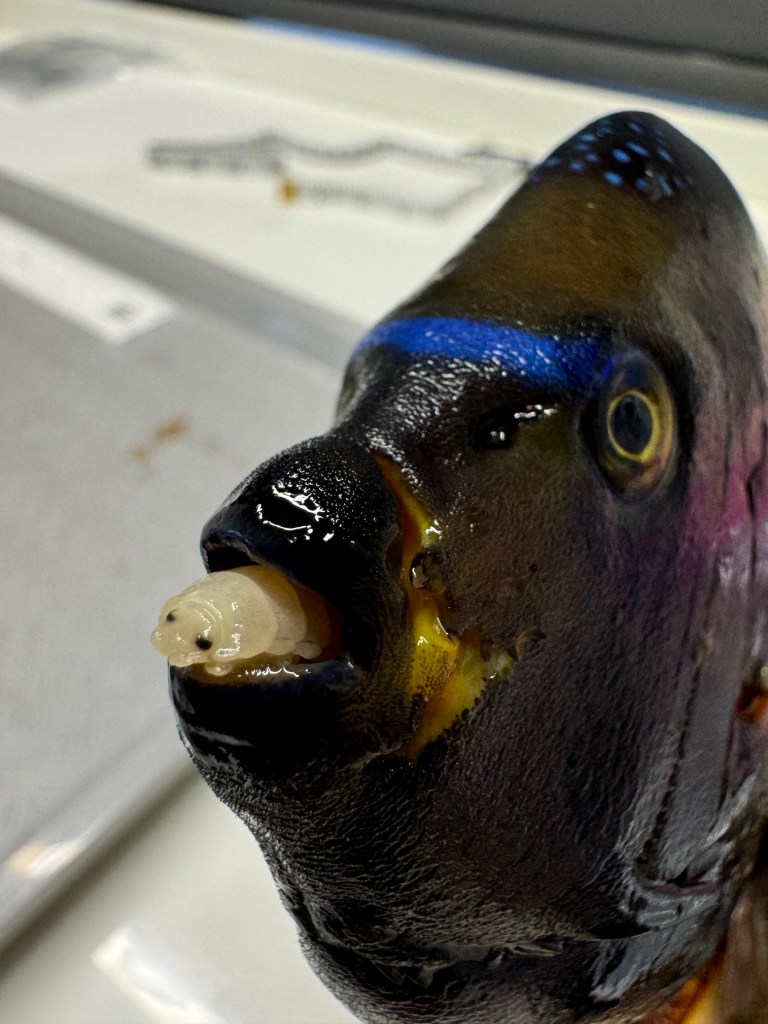
- Fish Disease Outbreaks: His research first recorded a novel ulcerative skin disease outbreak in Galápagos marine fishes during the 2016 El Niño, studying how warmer water facilitates pathogens and affects fish health and population dynamics.
- Species Resilience and Thermal Refuges: The lab assesses the capacity of fish populations to maintain stability or rebound from these disturbances, testing the hypothesis that sites with strong upwelling of cool, nutrient-rich waters serve as critical “thermal refuges” during warming events.
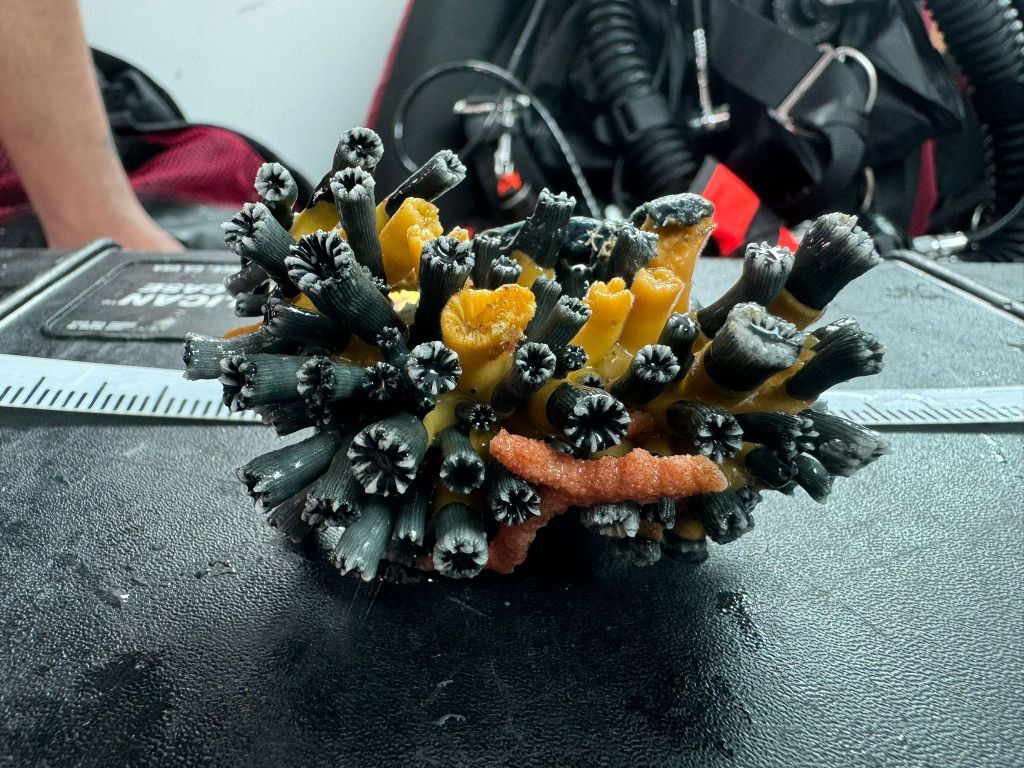
- Coral Rediscovery: In a significant finding, Dr. Lamb was part of the team that rediscovered the solitary coral species Rhizopsammia wellingtoni, once thought extinct, in the deep-sea mesophotic zone (30 to 150 meters below sea level). This suggests these deeper, cooler habitats may provide a climate refuge for temperature-sensitive species.
- Ecosystem Function: He studies the functional roles of various marine species, such as the feeding habits of abundant sea stars, to understand how biodiversity influences ecosystem resilience.